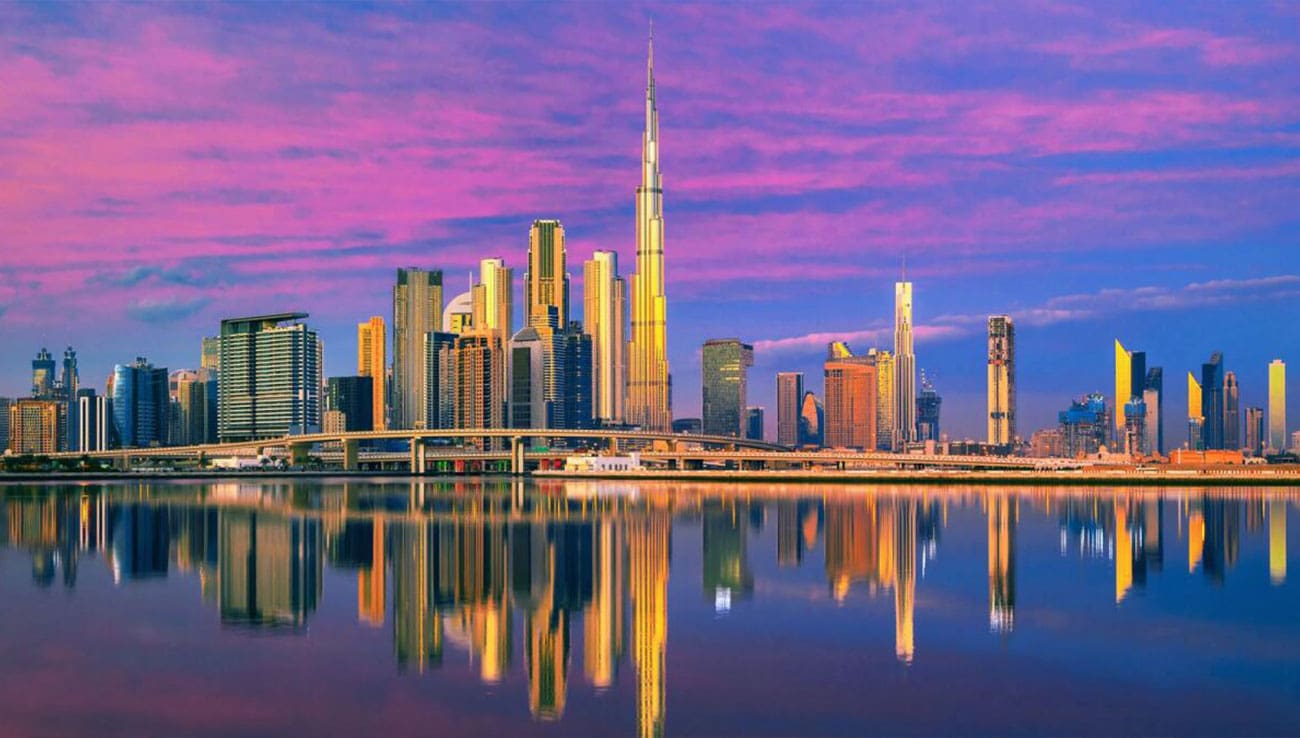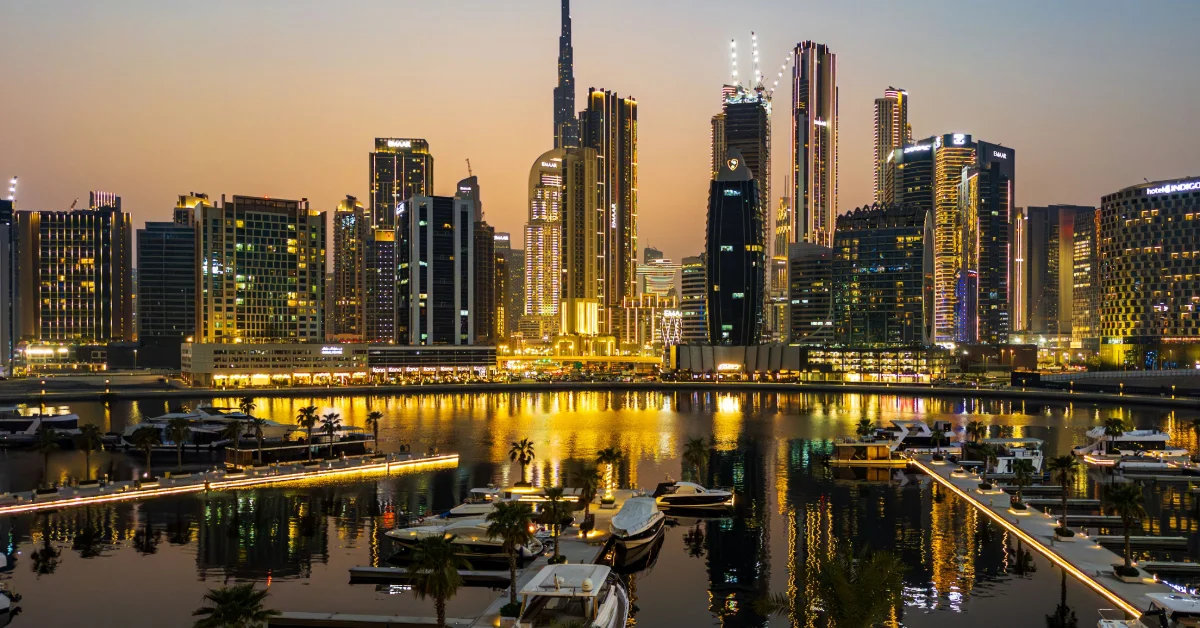


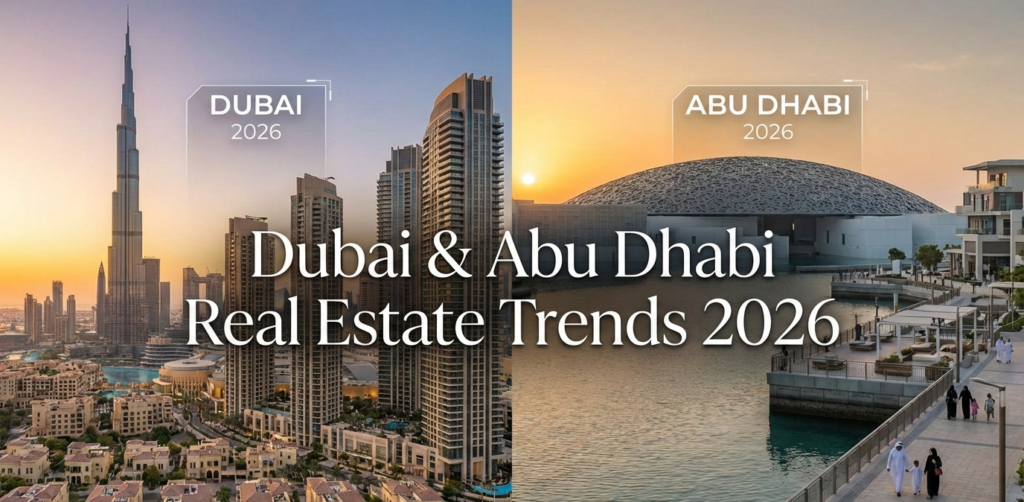
After a record-breaking 2025, the Middle Eastern real estate landscape is witnessing a profound transformation. As we analyze the UAE Residential Outlook 2026, it is clear that Dubai and Abu Dhabi are no longer just speculative hubs. Instead, they have matured into sophisticated markets characterized by stronger fundamentals, clearer buyer intent, and a long-term ownership mindset.
At The Ledger Homes by eXp, we see this shift every day. Our international clients are increasingly treating the UAE as a primary base for their families and businesses. Consequently, the focus has shifted from “flipping” assets to building lasting legacies.
The 2025 Foundation: A Year of Unprecedented Growth
To understand the UAE Residential Outlook 2026, we must first look at the massive momentum generated last year. 2025 was not just a good year; it was a year that rewrote the history books for the region.
In Dubai, the market recorded over 270,000 total real estate transactions, reaching a staggering value of AED 917 billion. The residential sector alone hit an all-time high. According to Knight Frank, residential sales reached AED 544.2 billion, driven by both off-plan excitement and a surge in secondary market demand.
Abu Dhabi followed a similar trajectory of strength. The Abu Dhabi Real Estate Centre (ADREC) reported a 43.3% increase in trading value year-on-year. This growth was not accidental; it was the result of increased transparency, world-class infrastructure, and a growing confidence in the capital’s regulatory framework.
Key Trends Shaping Dubai’s Residential Market in 2026
The current market is defined by several structural trends that every investor should monitor. First and foremost, the demand for premium and luxury properties remains incredibly resilient. We are observing that value growth is outpacing volume growth. This suggests that the market is being driven by high-quality, high-value purchases rather than just high turnover.
Secondly, off-plan developments continue to be the engine of the market. However, there is a noticeable difference in 2026: buyers are gravitating toward developers with proven track records and projects that offer unique lifestyle amenities.
Furthermore, the “villa vs. apartment” dynamic has reached a new equilibrium. While apartments account for the majority of transaction volume due to their accessibility, villas have become a “scarcity play.” In established communities like Palm Jumeirah, Dubai Hills Estate, and Dubai Marina, villas continue to command significant pricing power due to limited supply.
Abu Dhabi: The Strength of the End-User
While Dubai often captures the headlines, Abu Dhabi is carving out a niche as a market defined by stability and end-user strength. The capital’s residential sector is seeing a massive influx of families looking for long-term residency.
Regulatory initiatives have made Abu Dhabi one of the most transparent markets in the region. For investors, this means lower risk and more predictable returns. We are seeing strong momentum in waterfront apartments and luxury villa communities, where the focus is on “quality of life” rather than just “return on investment.”
Strategic Advice for Buyers and Investors in 2026
As we navigate the UAE Residential Outlook 2026, winning decisions will no longer come from following the crowd. Instead, they will come from a disciplined, data-driven approach. Here is how we advise our clients at The Ledger Homes:
- Prioritize Proven Locations: Focus on core communities with established infrastructure. Locations with long-term “logic”—such as proximity to business hubs, top-tier schools, and transport links—will always hold their value.
- Focus on Build Quality: In a mature market, the difference between an average asset and a prime asset is the quality of construction and finishing.
- Align with Life Plans: Real estate in 2026 is a tool for residency planning and wealth structuring. Ensure your purchase aligns with your long-term goals, whether that is capital preservation or high-yield rental income.
Conclusion: A New Era of Sophistication
In conclusion, the UAE has entered a new era. Dubai and Abu Dhabi have successfully positioned themselves as global magnets for capital, talent, and luxury living. The UAE Residential Outlook 2026 points toward a market that is refined, stable, and ready for long-term growth.
Are you ready to secure your future in the UAE? At The Ledger Homes by eXp, we provide the data and the expertise you need to make informed decisions in this dynamic market.