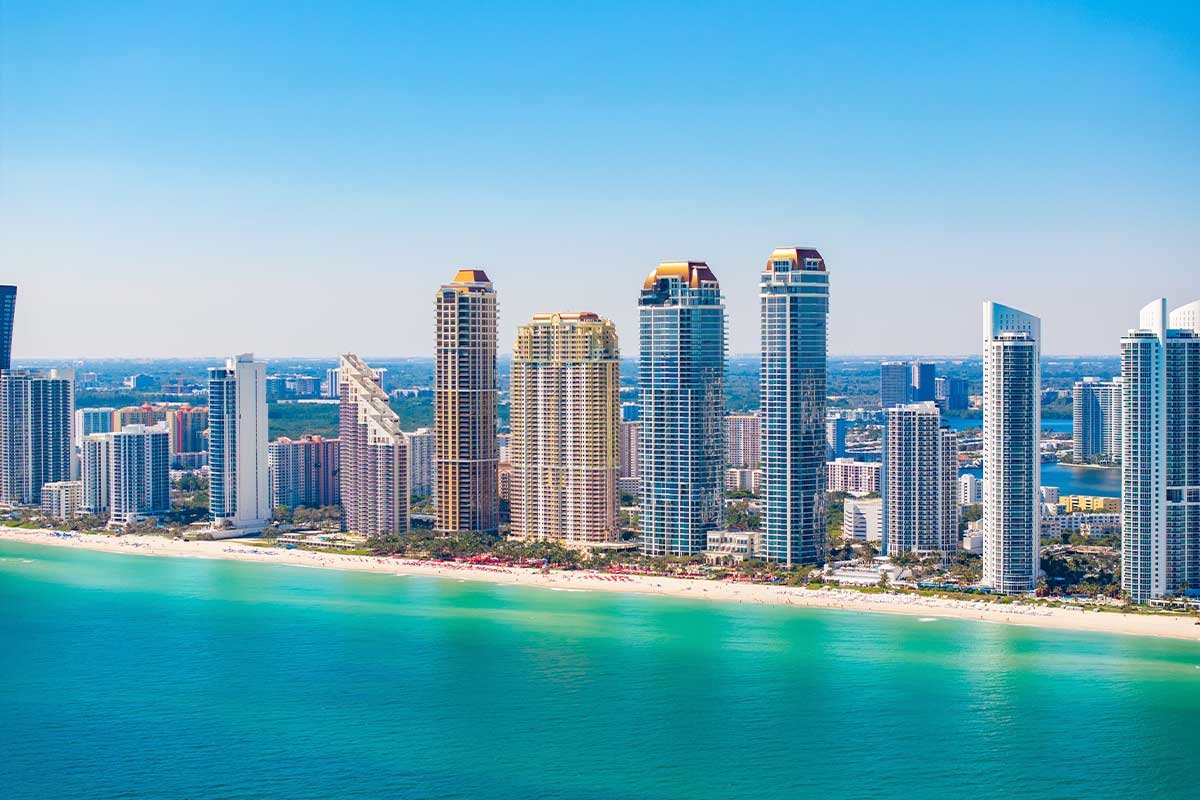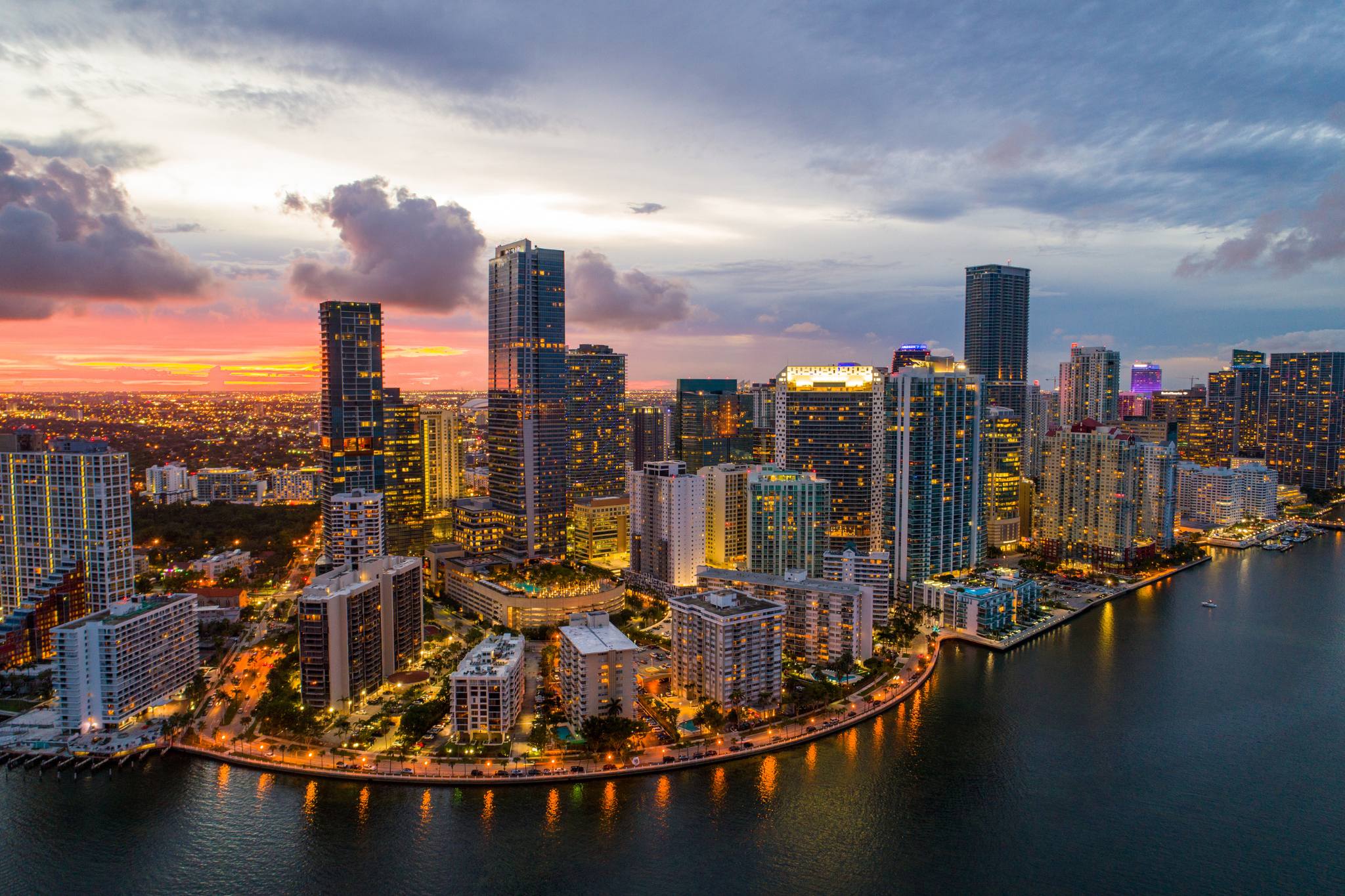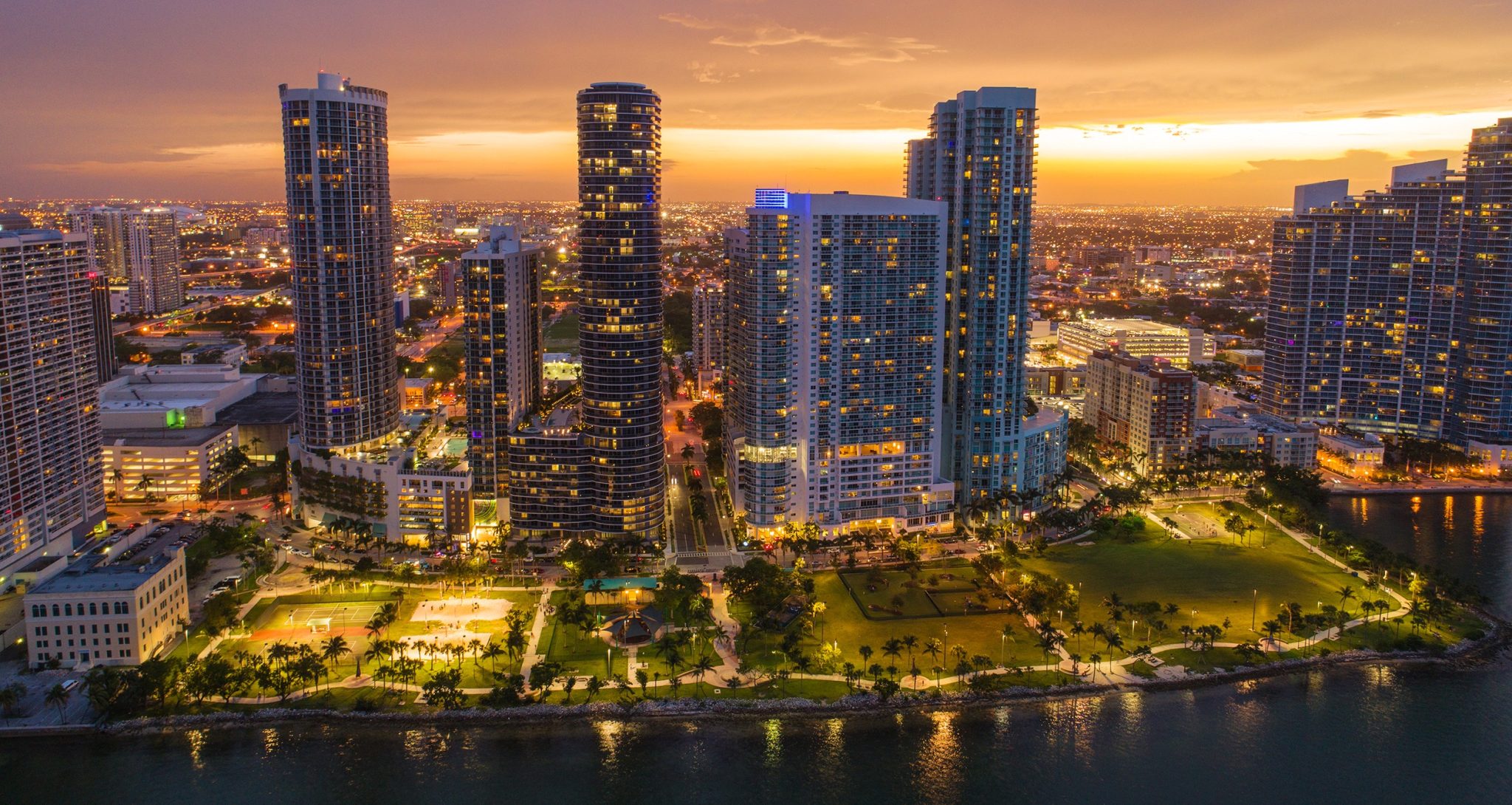



Miami continues to attract homebuyers, international investors and luxury property seekers looking for opportunities in one of South Florida’s most recognized real estate markets. From waterfront residences and luxury condominiums to single-family homes in established neighborhoods, the city offers a diverse range of property options.
However, understanding the Miami real estate market in 2026 requires more than looking at asking prices. Buyers must also consider inventory levels, financing costs, condominium expenses, neighborhood characteristics and long-term ownership goals.
Whether you are planning to purchase a primary residence, a second home or an investment property, understanding current market conditions can help you make a more informed decision.
Miami Real Estate Market Update: September 2026
Recent data from MIAMI REALTORS® + RWorld highlights a market with different conditions across property types.
According to its September 2026 market report, Miami-Dade County recorded the following trends:
- Single-family homes: The median sale price reached $692,000, an increase of 4.06% year over year.
- Condominiums: The median sale price was $417,090, down approximately 0.69% year over year.
- Active inventory: Total active listings decreased by 10.1% compared with September 2025.
- Market conditions: Single-family homes had approximately 5.1 months of supply, while existing condominiums had 12.3 months of supply.
These figures illustrate why buyers should evaluate houses and condominiums separately rather than treating Miami as one uniform market.
Is Miami a Good Place to Buy Real Estate in 2026?
The answer depends on your financial situation, investment horizon and the type of property you intend to purchase.
Miami offers access to a diverse economy, international connections, established residential communities and a broad range of lifestyle options. These factors contribute to its appeal among domestic and international buyers.
Nevertheless, a property’s location and purchase price remain critical. Buyers should evaluate comparable sales, potential ownership costs, neighborhood demand and the property’s resale prospects before making a commitment.
Rather than assuming that every property will appreciate, focus on identifying assets that align with your individual objectives and financial capacity.
Best Areas to Consider When Buying Property in Miami
Different neighborhoods appeal to different types of buyers. The right location depends on whether you prioritize urban living, waterfront access, residential space or proximity to employment and lifestyle amenities.
1. Brickell: Urban Living and Condominiums
Brickell is known for its high-rise residences, business district, restaurants and walkable urban environment.
It may appeal to professionals, buyers seeking a city-based second home and investors evaluating condominium opportunities.
Before purchasing, review homeowners association fees, building reserves, insurance costs, rental restrictions and the condition of the property.
2. Coral Gables: Established Residential Appeal
Coral Gables offers tree-lined streets, distinctive architecture and established residential neighborhoods.
Buyers considering the area may prioritize privacy, architectural character, schools and access to local amenities. Property taxes, maintenance requirements and individual neighborhood conditions should also form part of the assessment.
3. Coconut Grove: Lifestyle and Residential Character
Coconut Grove combines a residential atmosphere with green spaces, dining and access to Biscayne Bay.
Its mix of houses and condominiums attracts buyers with varying lifestyle preferences. When evaluating properties, consider flood exposure, insurance availability, maintenance expenses and the specific location within the neighborhood.
4. Miami Beach: Coastal Living and Luxury Properties
Miami Beach is recognized for its waterfront residences, condominium buildings and luxury real estate.
Buyers should assess coastal exposure, building maintenance, condominium financial statements, special assessments and applicable insurance requirements. These factors can materially affect the total cost of ownership.
5. Edgewater: High-Rise Living Near the Bay
Edgewater offers condominium living with access to Biscayne Bay and nearby urban destinations.
For buyers comparing buildings, look beyond the purchase price. Evaluate monthly association fees, building reserves, rental policies, structural maintenance and comparable sales within the same development.
Important: These neighborhood descriptions are general starting points. Property values, rental conditions and investment suitability vary by individual property and should be verified using current local data.
Condos vs. Single-Family Homes: Which Is Right for You?
One of the most important decisions when buying real estate in Miami is choosing between a condominium and a single-family home.
Buying a Condo in Miami
Condominiums may appeal to buyers seeking a lock-and-leave residence, shared amenities or a location close to business and entertainment districts.
However, buyers should carefully examine:
- Monthly association fees and their historical increases.
- Building reserves and financial statements.
- Structural inspection reports and required repairs.
- Special assessments and insurance expenses.
- Rental restrictions and building regulations.
The higher condominium inventory reported in Miami-Dade in September 2026 may provide some buyers with additional options to compare and negotiate.
Buying a Single-Family Home in Miami
Single-family homes may offer greater privacy, outdoor space and control over the property.
Potential buyers should account for property taxes, maintenance, roofing, landscaping, insurance and flood risk. They should also review zoning requirements and any applicable restrictions on future renovations.
The relatively lower months of supply reported for single-family homes in Miami-Dade suggest that competition and negotiating conditions may differ from those in the condominium segment.
Neither property type is automatically the better investment. The right choice depends on your budget, objectives, expected holding period and willingness to manage ownership responsibilities.
What Should Real Estate Investors Evaluate Before Buying in Miami?
A sound property evaluation starts with the numbers rather than the marketing presentation.
Calculate the Total Cost of Ownership
Include the purchase price, closing costs, financing, taxes, insurance, association fees and expected maintenance.
For rental properties, also account for vacancy, property management, repairs and periods without rental income.
Research Rental Demand
Rental performance varies significantly by neighborhood, property type, building rules and season.
Compare similar properties using recent rental listings and, where available, verified lease data. Confirm whether the intended rental strategy is permitted by the building and local regulations.
Review Insurance and Climate Exposure
Flood exposure, windstorm risk, insurance availability and potential deductibles can influence both operating costs and resale considerations.
Obtain property-specific insurance estimates and review relevant flood maps before committing to a purchase.
Analyze Comparable Sales
Review recently closed sales of comparable properties in the same neighborhood or building.
Consider differences in size, condition, floor level, views, parking and renovation quality. Asking prices alone do not establish a property’s market value.
Define Your Investment Horizon
A property intended for long-term ownership should be evaluated differently from one purchased for a shorter holding period.
Consider transaction costs, liquidity, potential changes in market conditions and whether you can comfortably hold the property if selling takes longer than expected.
What International Buyers Should Know About Buying Property in Miami
Miami attracts buyers from different countries, but purchasing property in the United States requires careful financial and legal planning.
International buyers should consider:
- Available financing options and lender requirements.
- Ownership structures and the legal implications of each.
- Property taxes, insurance and recurring expenses.
- U.S. tax obligations, including potential rental income and future sale proceeds.
- Estate planning and any applicable cross-border reporting requirements.
The appropriate structure depends on the buyer’s circumstances. Consult qualified U.S. legal, tax and financial professionals before making decisions about ownership or financing.
Miami Real Estate Outlook: What to Watch Next
The latest market figures show that Miami-Dade’s housing segments are moving at different speeds. Single-family home prices increased year over year in September 2026, while the median condominium sale price was slightly lower.
Inventory also declined overall, even as condominiums continued to show more months of supply than single-family homes.
For buyers, the key questions are whether a property is appropriately priced, whether its ongoing costs are manageable and whether it meets their long-term objectives.
For sellers, accurate pricing, strong property presentation and a clear understanding of competing listings remain important considerations.
Future market conditions will depend on mortgage rates, employment, household demand, insurance costs, new construction and broader economic developments. No market forecast can guarantee future appreciation or investment returns.
Frequently Asked Questions About Miami Real Estate
Is Miami real estate expensive in 2026?
Miami remains a relatively high-cost housing market, but prices vary considerably by neighborhood, property type, size and condition. Compare recent sales rather than relying on a single citywide figure.
Are Miami condos a good investment?
Some condominiums may suit particular investment strategies, but performance depends on purchase price, rental demand, association fees, building finances, insurance and rental restrictions. Conduct property-specific due diligence before purchasing.
What are the best neighborhoods to buy property in Miami?
Brickell, Coral Gables, Coconut Grove, Miami Beach and Edgewater are worth researching for different reasons. The best choice depends on your budget, lifestyle preferences and investment objectives.
Can foreign buyers purchase property in Miami?
Foreign nationals can generally purchase real estate in the United States, subject to applicable laws and restrictions. Financing, tax, ownership and reporting considerations should be reviewed with qualified professionals.
What costs should I budget for when buying a home in Miami?
Budget for closing costs, property taxes, homeowners insurance, maintenance and, for condominiums, association fees and potential special assessments. Obtain estimates specific to the property before making an offer.
Find Your Next Property in Miami with The Ledger Homes
Finding the right property starts with understanding your priorities, evaluating the local market and comparing opportunities carefully.
Whether you are exploring a primary residence, a second home or an investment property, The Ledger Homes can help you navigate the search and identify properties aligned with your objectives.