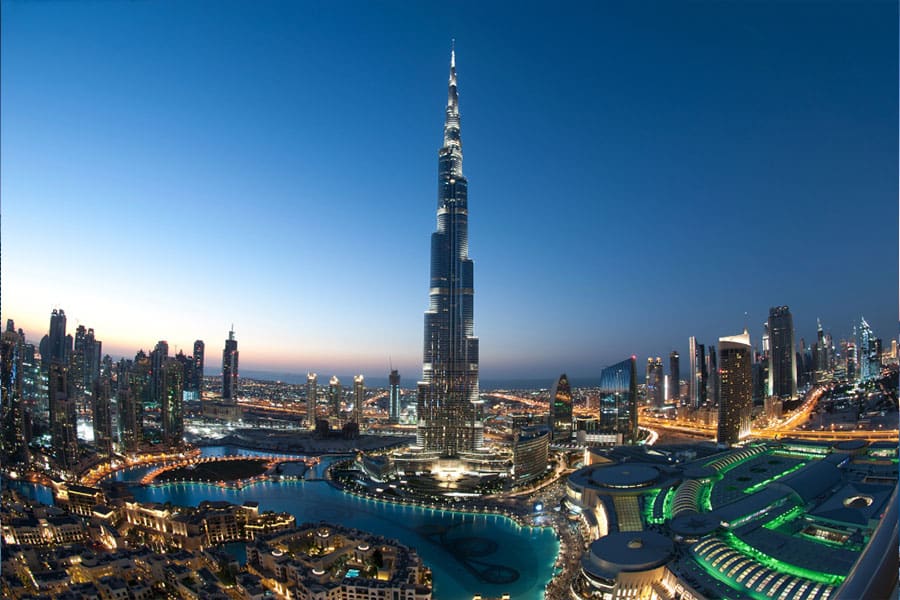


Dubai has never been a city that stands still. From ambitious architectural developments to rapidly evolving residential communities, the emirate continues to redefine what modern urban living looks like.
As the real estate market moves towards 2027, a new chapter is taking shape. Buyers and investors are becoming more selective, lifestyle expectations are evolving, and the distinction between a property’s location, design and long-term value is becoming increasingly important.
The question is no longer simply where to buy in Dubai. It is about understanding which communities, property concepts and lifestyle trends are likely to shape the city’s next phase of growth.
In this article, we explore the key developments influencing Dubai’s residential landscape and what they could mean for buyers and investors looking ahead.
1. A More Mature Real Estate Market
Dubai’s property market has experienced significant expansion over recent years.
According to the Dubai Land Department, the emirate recorded 270,328 real estate transactions worth AED 917 billion in 2025, representing a 20% increase in both transaction volume and value compared with 2024.
But growth is also bringing greater market maturity.
Today’s buyers are increasingly looking beyond attractive launch prices. Developer reputation, construction quality, location, infrastructure and rental demand are becoming central elements of purchasing decisions.
This evolution suggests a market where understanding individual communities and specific developments matters more than relying on citywide growth figures.
2. The Rise of Lifestyle-Driven Communities
A property’s value is no longer defined by its interior alone.
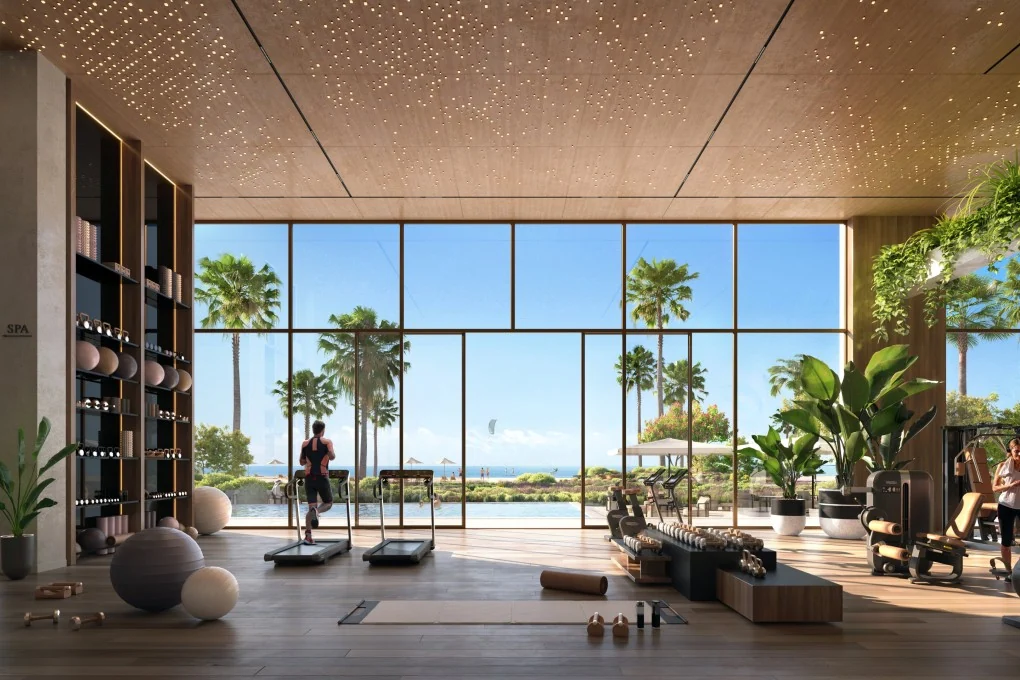
Modern buyers increasingly consider the experience surrounding their homes: green spaces, walkability, retail destinations, schools, fitness facilities and access to major business districts.
Communities such as Dubai Hills Estate, Arabian Ranches and Sobha Hartland illustrate the growing appeal of integrated residential environments.
These developments offer a different proposition from traditional city-centre living, combining residential comfort with amenities designed around everyday life.
For families, professionals and international buyers, this lifestyle dimension can be just as important as the property itself.
3. Waterfront Living Continues to Shape Dubai’s Identity
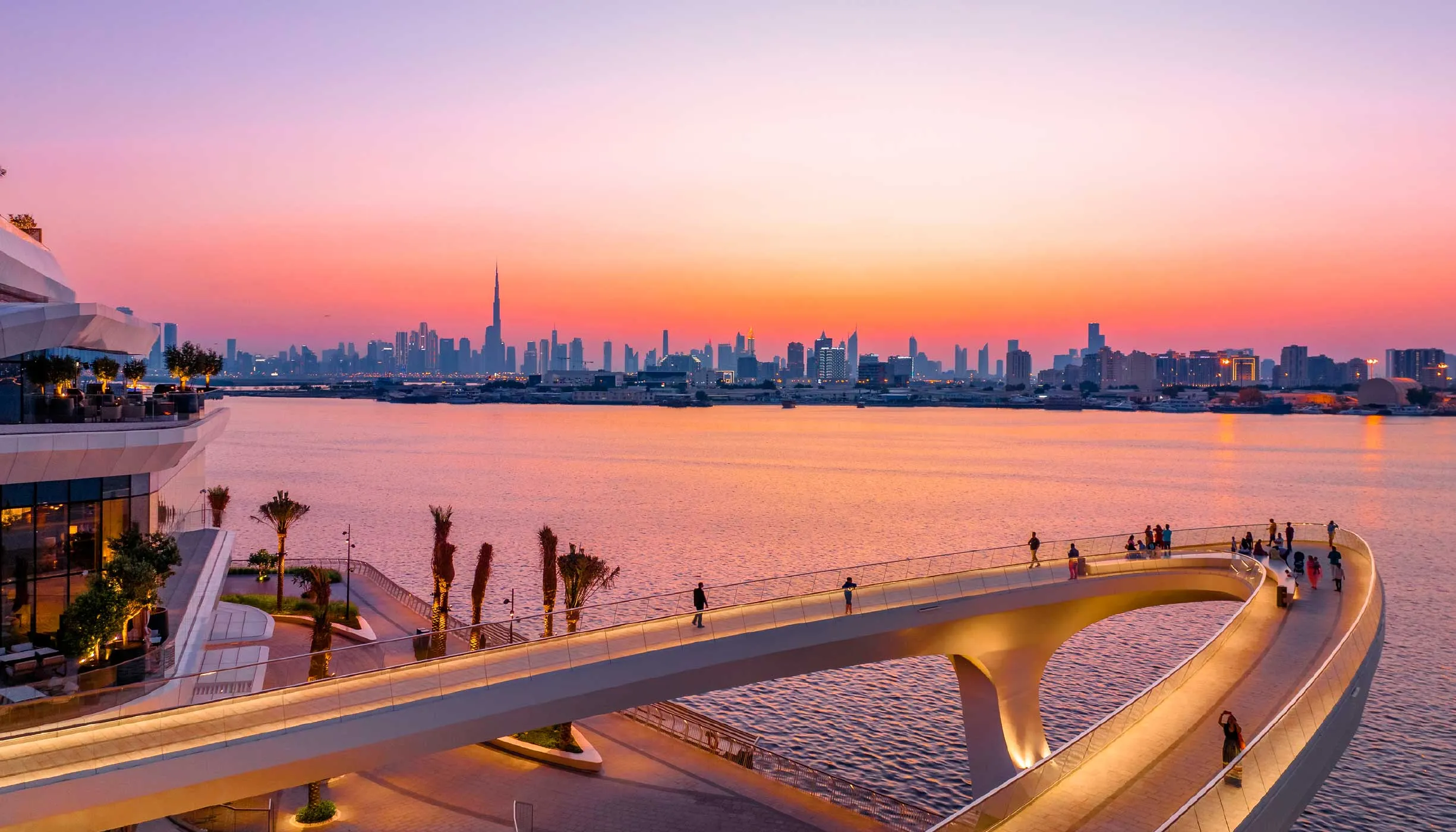
Dubai’s relationship with the waterfront remains one of its strongest real estate differentiators.
From the established prestige of Palm Jumeirah to emerging destinations such as Dubai Islands and Palm Jebel Ali, coastal developments continue to play an important role in the city’s residential vision.
Waterfront properties offer more than scenic views. They combine exclusivity, leisure-oriented amenities and a distinctive residential experience.
However, not all waterfront developments offer the same investment potential. Buyers should assess accessibility, project delivery, surrounding infrastructure, service charges and the depth of demand for comparable properties.
As Dubai expands its coastal destinations, the quality and positioning of each development will remain essential considerations.
4. The Growing Appeal of Branded Residences
One of the most interesting developments in the luxury property segment is the growing presence of branded residences.
These properties combine residential ownership with the identity and services associated with internationally recognised hospitality, fashion and lifestyle brands.
For buyers, the appeal often lies in the overall experience: personalised services, carefully designed interiors, premium amenities and a distinctive brand identity.
Dubai has become an important destination for this concept, attracting developers and international brands seeking to participate in the city’s luxury residential market.
As this segment evolves, buyers will need to look beyond the brand name itself and evaluate the underlying property fundamentals, ownership costs and long-term desirability.
5. Smart Homes and Sustainable Design Are Changing Buyer Expectations
Technology and sustainability are becoming increasingly relevant to residential real estate.
Smart access systems, automated lighting, climate control, energy-efficient appliances and integrated security solutions are transforming how residents interact with their homes.
At the same time, developers are placing greater emphasis on natural light, landscaping, efficient building systems and environmentally conscious materials.
These features are not simply aesthetic additions. They can influence operating costs, everyday comfort and a property’s appeal to future tenants or buyers.
For investors considering long-term ownership, understanding a building’s technology and sustainability credentials can provide another useful layer of evaluation.
6. Infrastructure Will Continue to Influence Property Decisions
Infrastructure remains one of the most important factors influencing real estate development.
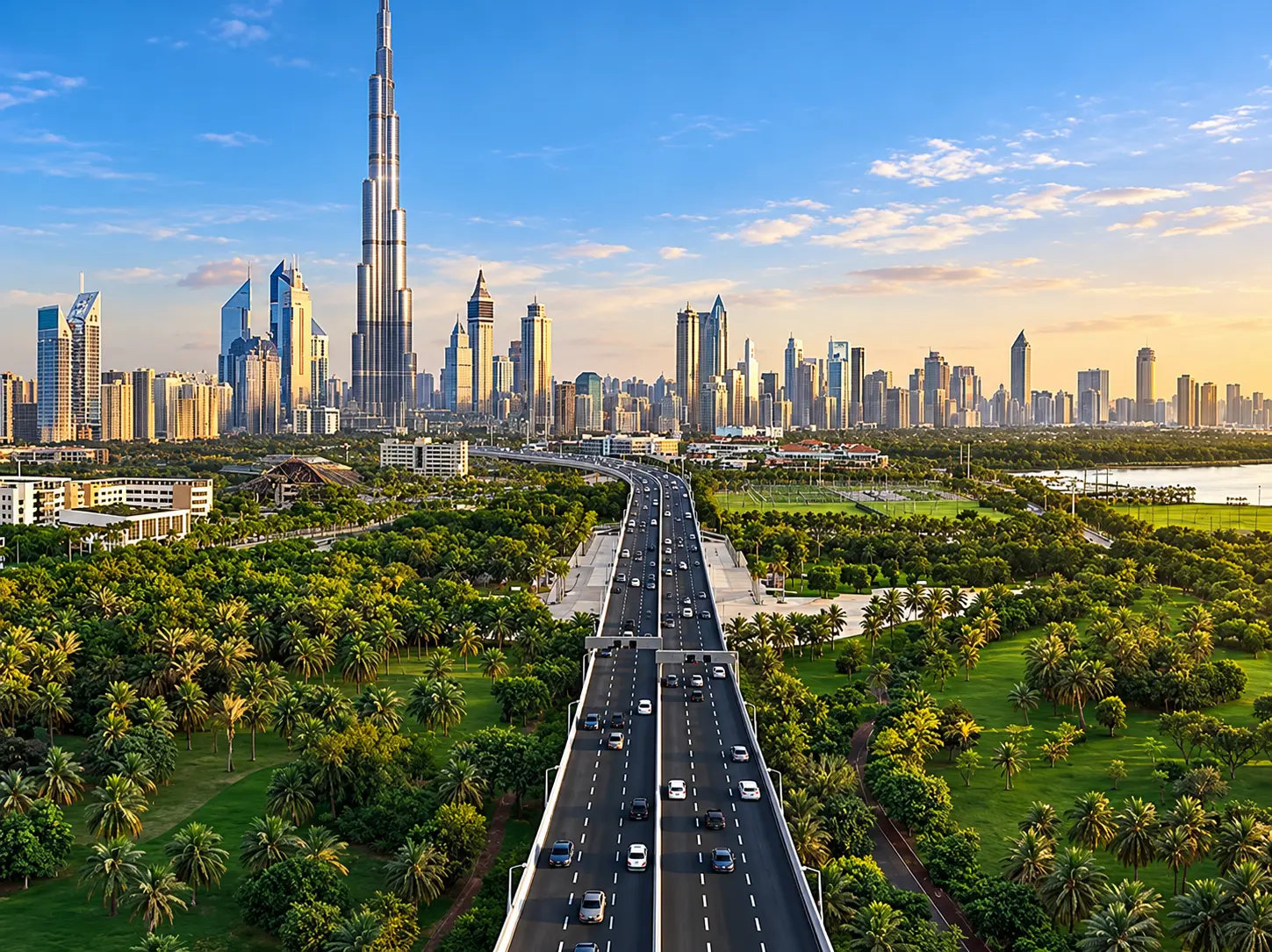
Transport connectivity, road networks, business districts and public amenities can transform the attractiveness of a neighbourhood over time.
Dubai’s long-term urban development strategy continues to focus on improving connectivity and creating more integrated communities.
For property buyers, this means looking beyond what exists today and understanding what is planned for the surrounding area.
However, planned infrastructure should always be assessed carefully. Announced projects, construction timelines and completed infrastructure are not interchangeable.
The strongest purchasing decisions consider both current accessibility and credible future development.
7. What Should Investors Look for in 2027?
As the market evolves, a disciplined approach to property selection becomes increasingly important.
Rather than following trends without examining the fundamentals, investors should consider several key factors:
- Location quality: Proximity to employment centres, transport, schools and lifestyle amenities.
- Developer credibility: Track record, delivery history and construction standards.
- Supply and demand: Existing inventory, upcoming developments and competing properties.
- Rental potential: Comparable rental transactions, tenant demand and realistic occupancy assumptions.
- Ownership costs: Service charges, maintenance, management fees and other expenses.
- Exit strategy: Resale liquidity, target buyer profile and intended investment horizon.
Ultimately, a successful investment is not necessarily the property generating the most attention. It is the one that best aligns with the investor’s objectives and financial strategy.
Conclusion: Looking Beyond the Present
Dubai’s next real estate chapter will be shaped by more than new towers and ambitious developments.
Lifestyle expectations, infrastructure, technological innovation and increasingly selective buyers are influencing how residential value is perceived.
For those considering entering the market in 2027, the opportunity lies in understanding these changes and identifying properties with fundamentals that support long-term desirability.
Dubai remains a city of ambition, but informed decisions require more than ambition alone. They require research, perspective and a clear understanding of the market.
At The Ledger Homes, we believe that the right property decision begins with the right insight.
Whether you are exploring a luxury residence, evaluating an investment opportunity or planning your next move in Dubai, our team is here to help you navigate the market with confidence.