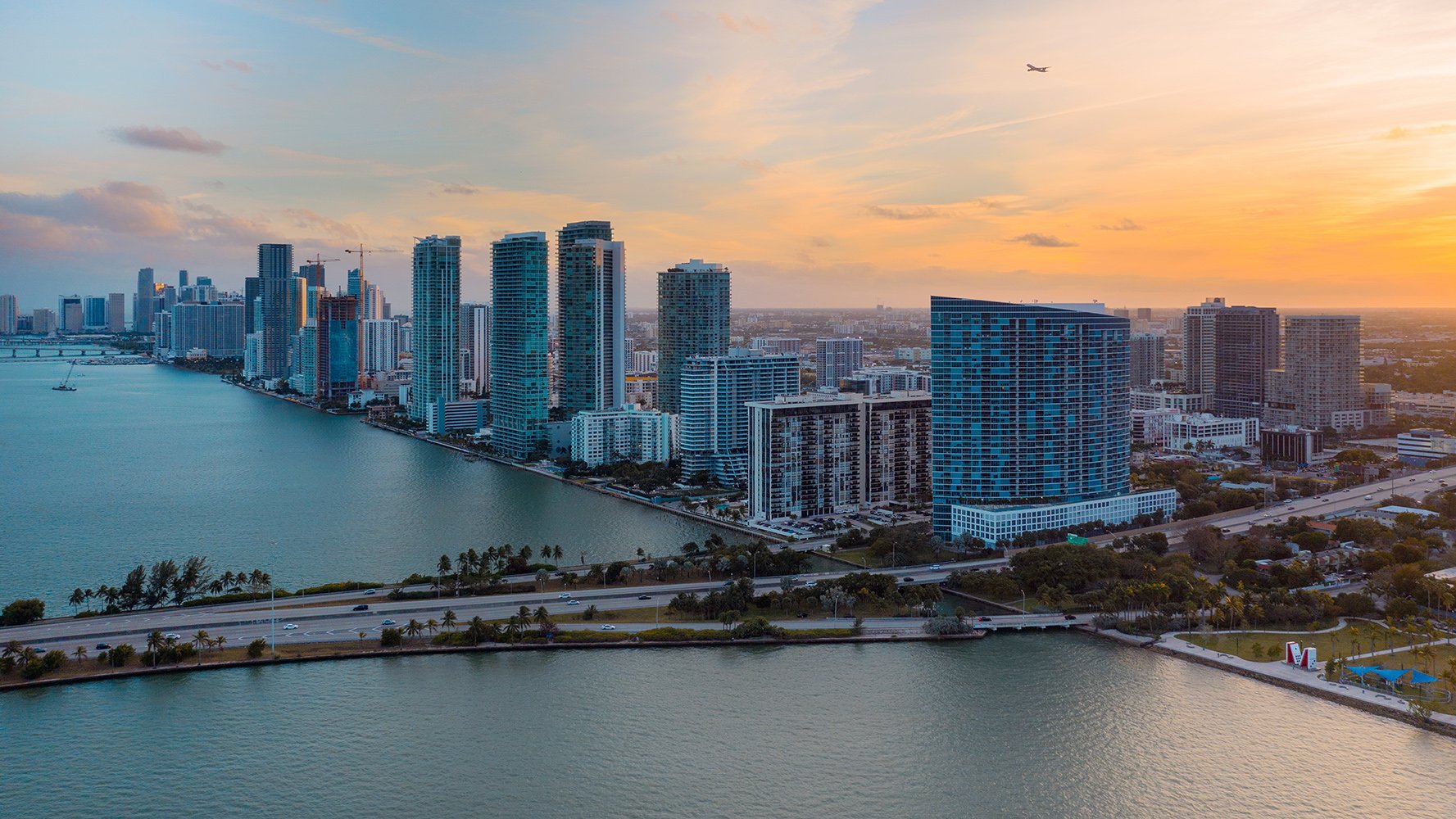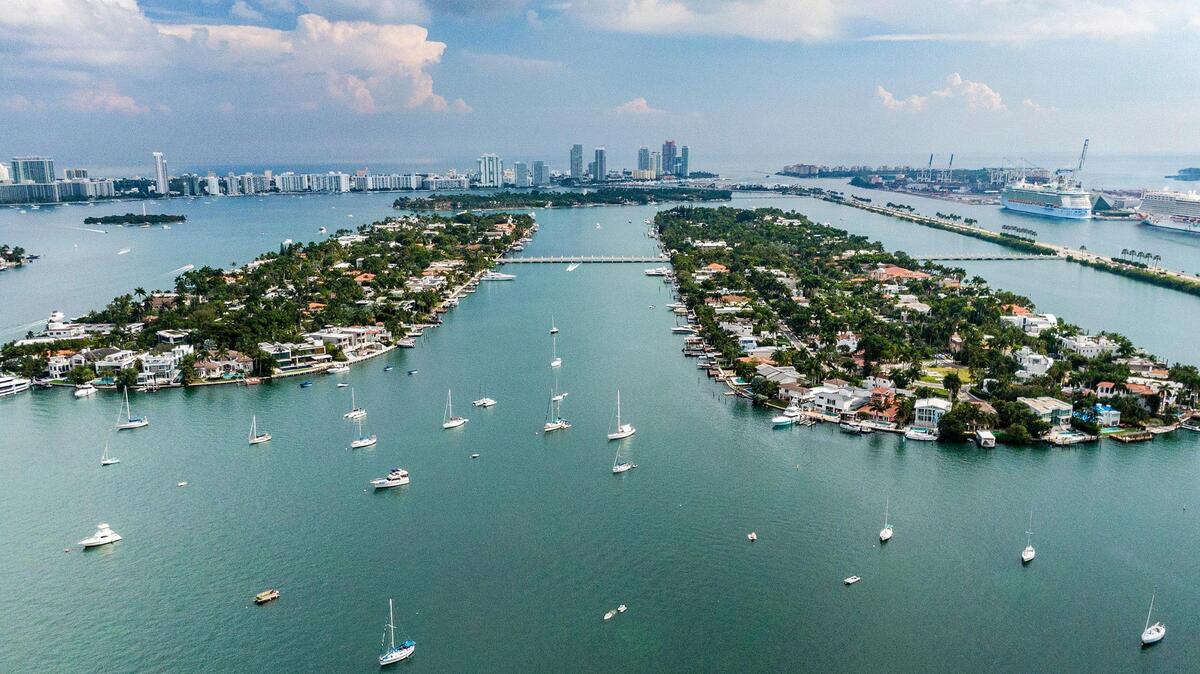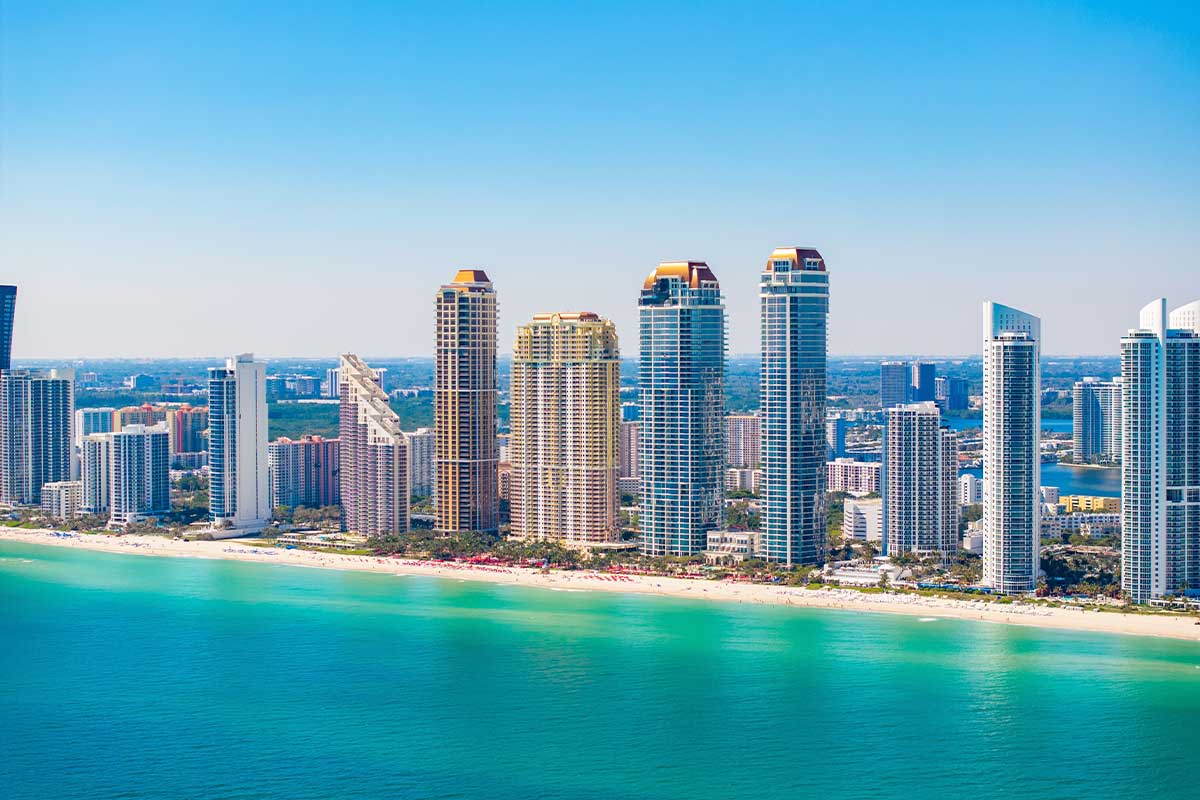


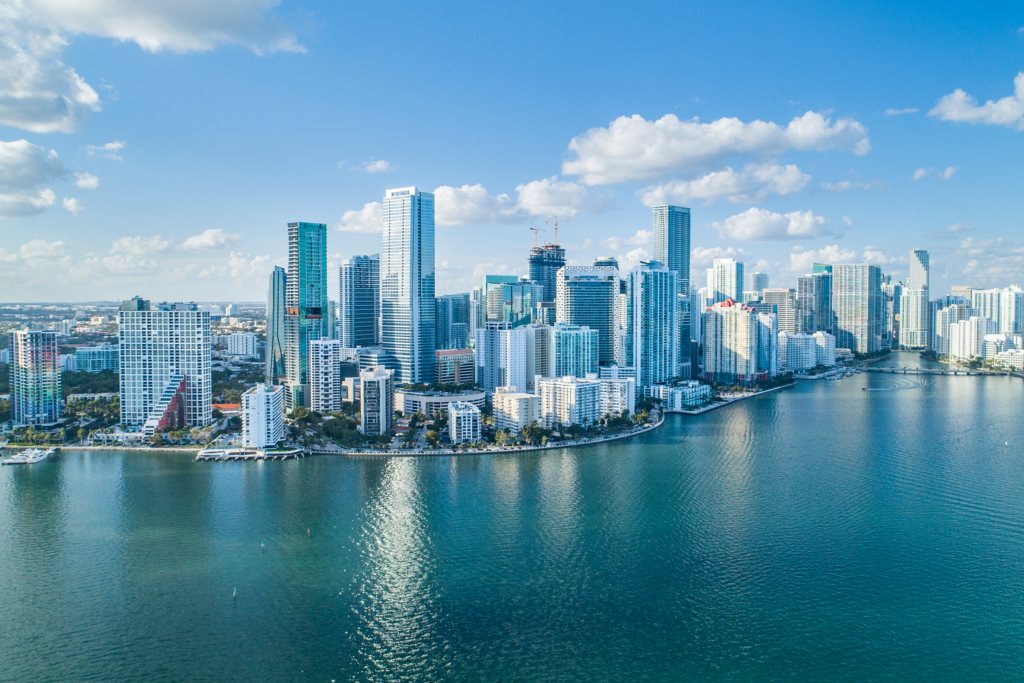
Global geopolitical tensions often feel distant from daily life, but their economic effects travel quickly through energy markets, inflation, and financial systems,ultimately influencing real estate demand in major global cities like Miami.
The ongoing U.S.–Iran conflict has become one of the key macroeconomic forces shaping investor behavior in 2026, with ripple effects reaching interest rates, currency flows, and luxury property markets in the United States.
How Geopolitical Tension Impacts Real Estate Markets
Real estate is highly sensitive to macroeconomic conditions. When geopolitical instability increases, it typically affects three key drivers:
- Energy prices
- Inflation expectations
- Interest rate policy
Recent developments in the Middle East have driven volatility in oil markets, contributing to higher inflation pressures globally. This has influenced central bank policy expectations, keeping borrowing costs elevated and affecting affordability in housing markets across the United States.
In practical terms, higher inflation and interest rates tend to slow transactional activity, particularly in mid-market segments.
The U.S. Housing Market Reaction
The U.S. housing market has already reflected these pressures. Mortgage rates have moved higher in response to inflation concerns linked to energy price shocks and geopolitical uncertainty. (Reuters)
This has led to:
- Reduced affordability for first-time buyers
- Slower transaction volumes in several regions
- Increased selectivity among investors
- Stronger resilience in luxury and cash-driven segments
However, not all markets react equally.
Why Miami Behaves Differently
Unlike many U.S. cities, Miami operates as a global real estate hub rather than a purely domestic one. Demand is driven by a mix of:
- International capital inflows
- High-net-worth relocation trends
- Dollar-based wealth preservation strategies
- Lifestyle-driven investment decisions
During periods of global uncertainty, liquidity often shifts toward stable, internationally connected cities with strong legal frameworks and lifestyle appeal.
Miami continues to benefit from this positioning, particularly in luxury waterfront and branded residential segments.
Luxury Real Estate as a Stability Asset
In uncertain macroeconomic cycles, luxury real estate tends to behave differently from the broader housing market.
High-net-worth buyers are less sensitive to mortgage rates and more focused on:
- Capital preservation
- Currency stability
- Geographic diversification
- Long-term asset security
As a result, prime neighborhoods in Miami often remain resilient even when broader market activity slows.
Secondary Effects: Capital Reallocation
Global conflict often triggers shifts in capital allocation. Investors reassess exposure across regions and asset classes, increasing demand for tangible, stable assets.
This can reinforce interest in markets like Miami, which already attract international buyers seeking stability outside their home regions.
At the same time, elevated uncertainty can delay discretionary investment decisions, creating short-term fluctuations in transaction timing rather than structural decline.
What This Means for Investors Today
For real estate investors, the key takeaway is not the conflict itself, but the financial environment it creates:
- Higher volatility in interest rates
- Short-term pressure on affordability
- Continued strength in luxury and cash-based segments
- Increased importance of location quality and long-term fundamentals
Miami remains one of the few markets that sits at the intersection of lifestyle, liquidity, and global demand.
Final Perspective
The U.S.–Iran conflict is another example of how global events shape financial conditions far beyond their origin.
For real estate investors, the opportunity lies in understanding how these shifts influence capital behavior,and positioning accordingly.
In that context, Miami continues to stand out as a market where global uncertainty does not weaken demand, but rather reshapes it.
From Beverly Hills to Miami, the strongest luxury addresses continue to attract global buyers seeking privacy, lifestyle, and long-term value.