

From international entrepreneurs and family offices to globally mobile families, Dubai is redefining what it means to have a home, a business and a financial presence in an increasingly connected world.
For generations, wealth had traditional geographical anchors. London represented financial heritage, Switzerland offered discretion and stability, New York stood at the centre of global business, and Singapore became a gateway to Asian markets.
Today, that map is being redrawn.
An increasing number of high-net-worth individuals are reconsidering where they live, where they operate their businesses and where they choose to hold their assets. Their decisions are no longer driven exclusively by investment returns or lifestyle aspirations. Instead, they reflect a broader desire for flexibility, international access, financial efficiency and long-term opportunity.
At the centre of this changing landscape is Dubai.
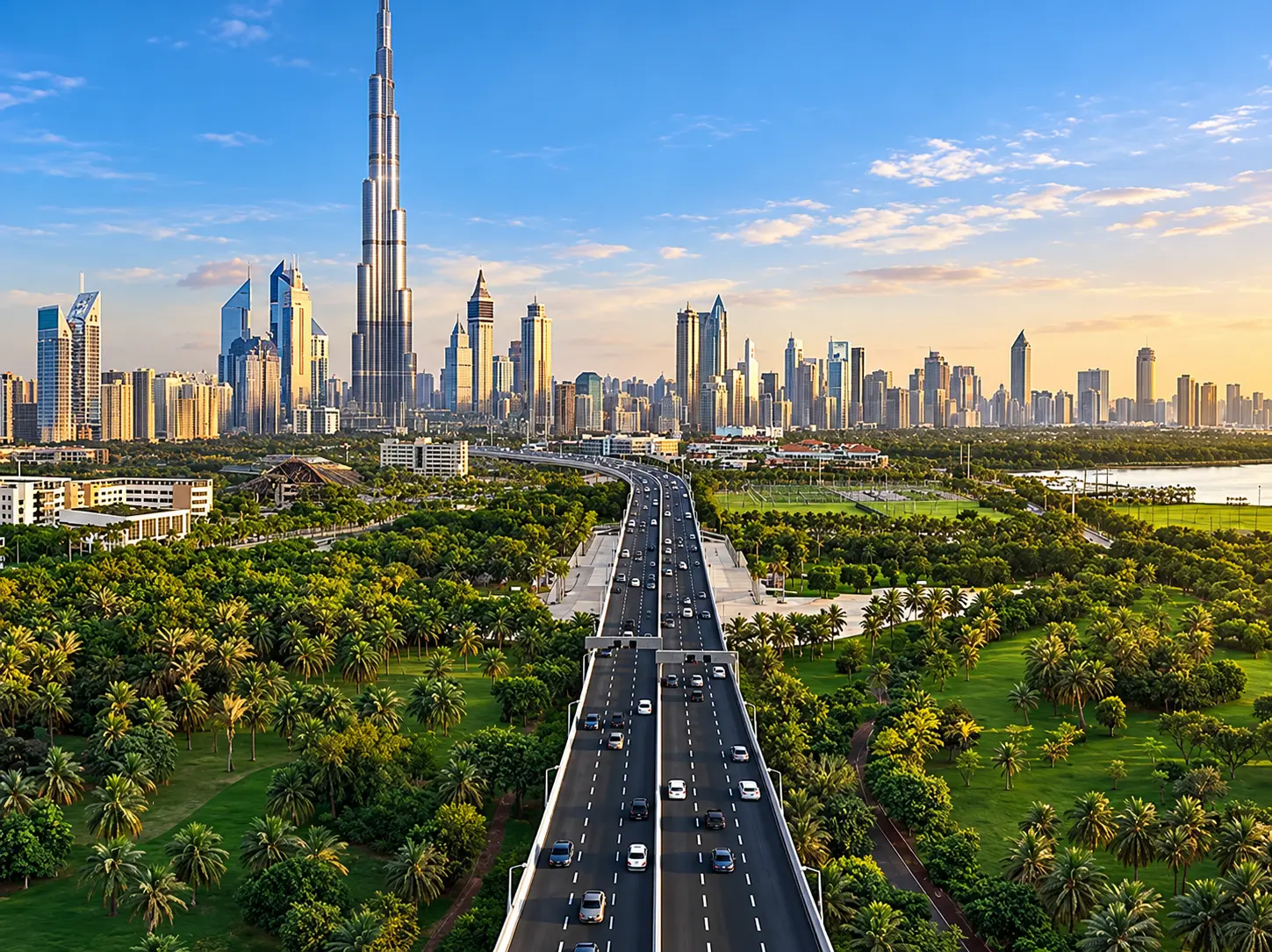
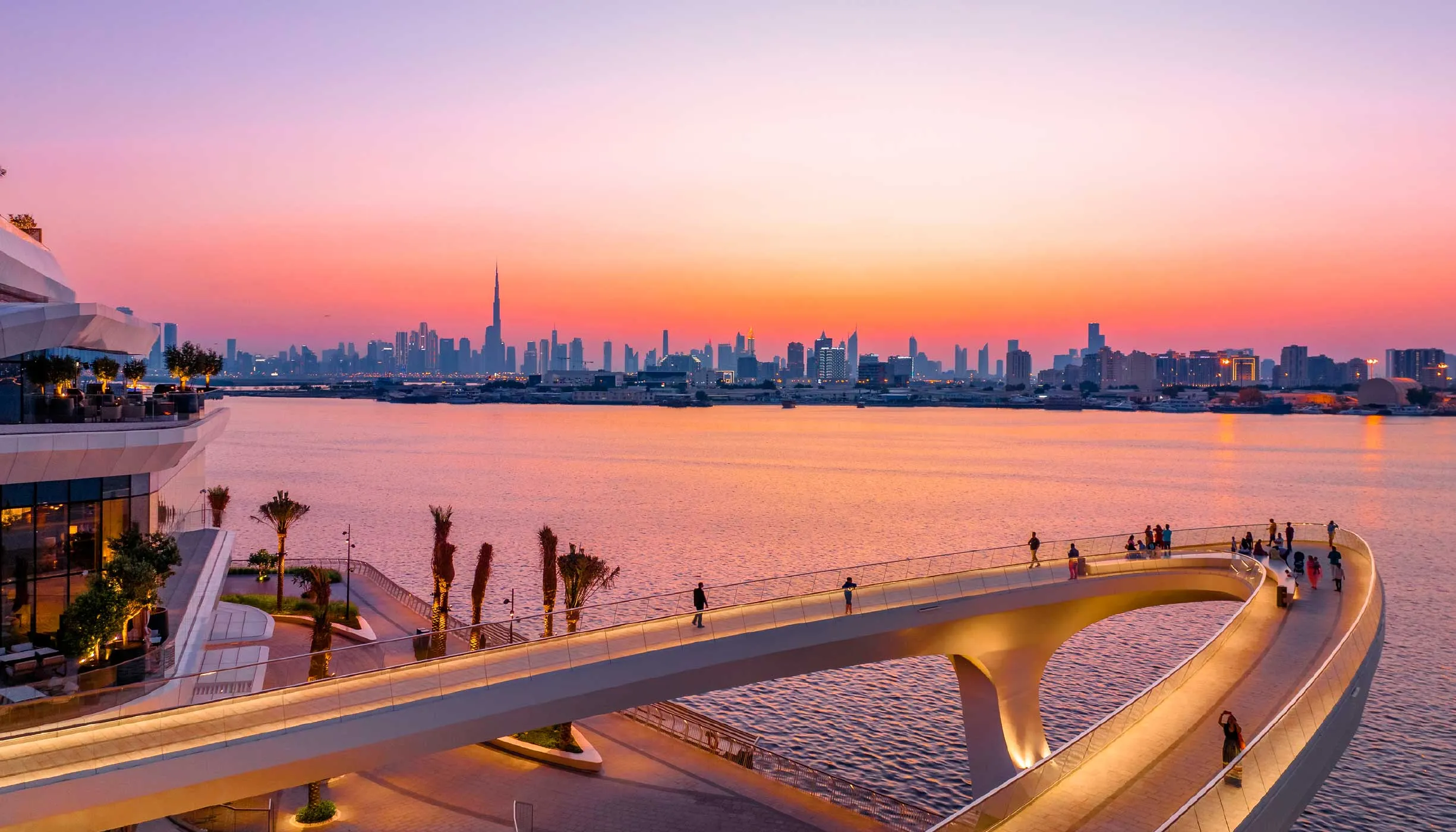
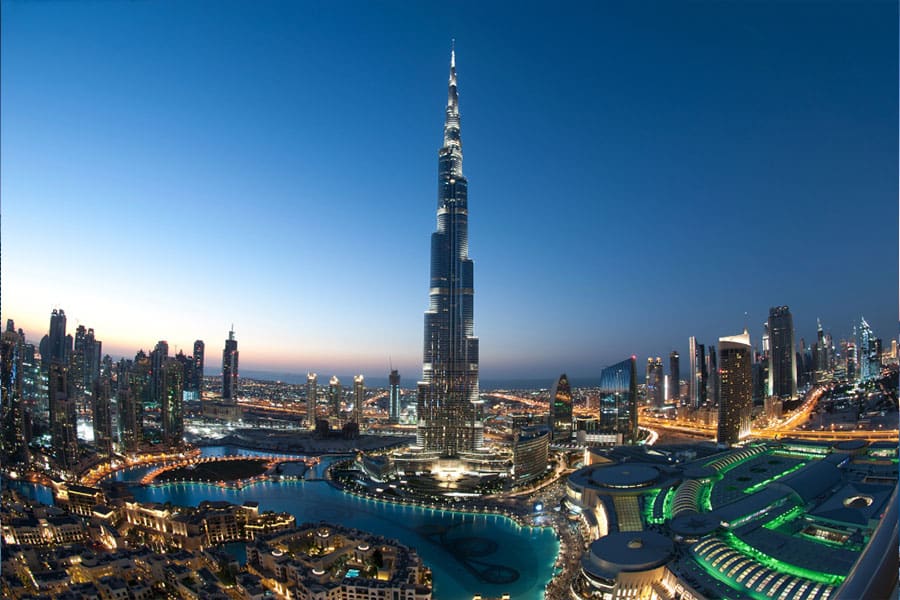
Once recognised primarily as a regional commercial destination, Dubai has evolved into an international base for entrepreneurs, investors, family offices and internationally mobile families. Its appeal extends beyond its skyline and luxury lifestyle. It is increasingly about the infrastructure that allows wealth to move, businesses to grow and families to establish themselves across borders.
A Global Shift in Where Wealth Chooses to Reside
The movement of wealth across borders is no longer a marginal phenomenon. It is becoming a defining feature of the global economy.
According to the Henley Private Wealth Migration Report 2025, the United Arab Emirates was projected to attract approximately 9,800 millionaires in net inflows during the year, making it the leading destination worldwide. These individuals represented an estimated USD 63 billion in investable wealth.
Behind these numbers lies a significant change in priorities.
Entrepreneurs are reassessing the jurisdictions from which they operate. Investors are exploring new environments for capital allocation. Families are looking beyond their country of origin when considering education, security, succession planning and quality of life.
For many, relocation is no longer about leaving one country behind. It is about establishing a strategic presence in another.
Dubai has become particularly relevant to this movement because it combines international connectivity, a business-oriented environment, lifestyle infrastructure and access to a diverse global community.
Beyond Tax Advantages: The Infrastructure of Opportunity
Tax efficiency is often one of the first factors associated with Dubai’s appeal. However, reducing its attractiveness to taxation alone would overlook the wider ecosystem that has developed around it.
The city offers an environment designed to facilitate international business, supported by modern infrastructure, established financial institutions and a regulatory framework that accommodates a broad range of international commercial activities.
Its financial ecosystem is also becoming increasingly sophisticated.
The Dubai International Financial Centre (DIFC), for example, has strengthened the city’s position as a destination for private banking, asset management, investment advisory and family office operations.
According to figures highlighted in the Henley Private Wealth Migration Report 2025, DIFC was home to 120 family offices collectively managing approximately USD 1.2 trillion in assets.
This development reflects a broader transformation: Dubai is not simply attracting individuals with wealth; it is attracting the businesses, professional networks and financial structures that help manage and preserve it.
For entrepreneurs, this means access to an international business environment. For investors, it means proximity to financial services and emerging opportunities. For families, it creates the possibility of managing different aspects of their financial and personal lives from a single international base.
The Rise of the International Family Office
One of the most interesting developments in Dubai’s evolution is the growing presence of family offices.
Traditionally associated with established financial centres, family offices are increasingly looking towards the Middle East as families seek more flexible structures for managing their wealth across generations.
Their role goes far beyond investment management. They coordinate financial planning, real estate portfolios, succession strategies, philanthropy and family governance.
Dubai’s growing ecosystem of legal professionals, wealth managers, private banks and investment specialists makes it an increasingly relevant location for these structures.
For internationally connected families, proximity matters. Having access to financial expertise, investment opportunities and professional networks within the same business environment can simplify complex cross-border arrangements.
It also creates a new kind of demand for residential real estate: homes that accommodate not only a lifestyle, but an international way of living.
A City Designed Around Global Connectivity
Another major factor behind Dubai’s growing appeal is its geographical and commercial positioning.
Located between Europe, Asia and Africa, the city offers convenient access to some of the world’s most important economic regions.
Its international airport, extensive airline network and established transport infrastructure make frequent international travel part of everyday business life for many residents.
For an entrepreneur managing operations in London, maintaining relationships in Singapore and exploring opportunities in Africa, this connectivity has practical value.
The same applies to internationally mobile families. Access to international schools, healthcare facilities, hospitality, leisure and established expatriate communities contributes to an environment where relocating does not necessarily mean compromising on familiarity or convenience.
Dubai’s appeal, therefore, is not built around one attraction. It is the combination of multiple interconnected advantages that makes the city particularly relevant to people whose personal and professional lives extend beyond national borders.
What This Means for Dubai’s Residential Property Market
As wealth migration evolves, its influence on residential real estate is becoming increasingly significant.
When affluent individuals relocate, their housing requirements often differ from those of conventional property buyers.
Some seek primary residences that can accommodate their families over the long term. Others look for second homes that provide flexibility between international destinations. Entrepreneurs may prioritise proximity to business districts, while established families often place greater importance on privacy, space, education and lifestyle amenities.
This diversity of demand is contributing to a residential market shaped by different motivations and purchasing profiles.
Prime neighbourhoods such as Palm Jumeirah, Emirates Hills and Downtown Dubai continue to attract attention from international buyers, while communities such as Dubai Hills Estate and District One offer alternatives for families seeking space, privacy and residential convenience.
The definition of a desirable property is also evolving.
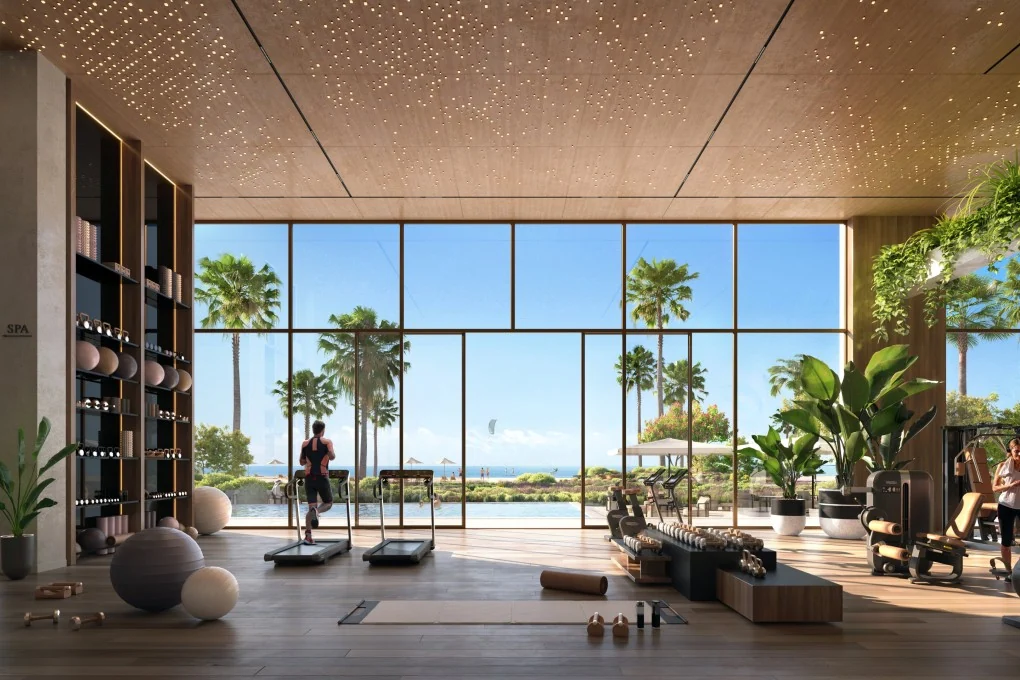
For some buyers, it is about architectural distinction and exclusivity. For others, it is about access to international schools, wellness facilities, green spaces and the convenience of everyday living.
Increasingly, a property is being evaluated not simply as an asset, but as part of a wider lifestyle and wealth strategy.
This does not mean every wealthy newcomer will purchase property immediately, nor that international migration guarantees continued price appreciation. Market performance remains influenced by supply, pricing, financing conditions and broader economic developments.
However, the growing international profile of Dubai’s residents adds another dimension to the city’s long-term residential demand.
A New Definition of Home
Perhaps the most significant change is not where wealthy individuals are moving, but how they define the concept of home.
For a growing number of internationally mobile families, home is no longer necessarily one permanent geographical location.
It may be a principal residence in Dubai, a business presence in London, investment interests in Europe and family connections elsewhere.
This increasingly interconnected lifestyle is creating demand for destinations that offer more than attractive property or favourable financial conditions. People want places where they can build businesses, raise families, access international opportunities and establish a sense of belonging.
Dubai is positioning itself within this new reality.
Its transformation into a global wealth destination reflects a wider shift in how international wealth is organised and how affluent individuals approach their future.
The question is no longer simply where the world’s wealthy choose to invest.
It is where they choose to build their lives.
And increasingly, Dubai is part of that answer.
The Ledger Homes Perspective
At The Ledger Homes, we believe understanding the movement of global wealth is essential to understanding the future of real estate.
As capital, businesses and families become increasingly international, residential property decisions are becoming more closely connected to lifestyle, mobility and long-term wealth strategies.
Dubai’s evolution offers a compelling example of this transformation ,and an important perspective for investors and families considering where their next opportunity may lie.