


In today’s global real estate landscape, purchase price is only half the story. The real differentiator the silent deal-maker or breaker is taxation.
From annual property taxes to transaction-heavy “mansion taxes,” the gap between legacy markets like New York City and Los Angeles versus rising powerhouse Miami has never been more pronounced.
And recently, Los Angeles made headlines for all the wrong reasons: a newly introduced mansion tax that has investors saying one thing yikes.
The True Cost of Ownership: Beyond the Price Tag
Property taxes in the U.S. are not standardized,they vary dramatically by state, county, and even neighborhood. They are calculated based on assessed value and can significantly impact long-term ROI. (Better Mortgage)
At a high level:
- New York State: ~1.4%–1.8% effective rate
- Florida (Miami): ~0.9%–1.0%
- California (Los Angeles): ~0.7% base rate
While California appears attractive on paper, the reality is far more complex,especially when layered with new transactional taxes.
New York: High Taxes, High Friction
In New York City, taxation hits investors from multiple angles:
- Property taxes: Among the highest nationally
- Mansion tax: Ranges from 1% to 3.9% on properties above $1M
- Mortgage recording tax: ~1.8%–1.9%
This means that on a $10M acquisition, buyers can face hundreds of thousands of dollars before even receiving the keys. The structure is heavily tax-driven, creating significant entry friction,particularly for international investors.
Los Angeles: The Mansion Tax Shockwave
Los Angeles has long benefited from relatively lower property tax rates due to California’s Proposition 13. But recent policy shifts have changed the narrative.
The introduction of a mansion tax on high-value sales (often referred to as the “Ultra-Luxury Transfer Tax”) has:
- Increased transaction costs dramatically for luxury assets
- Discouraged high-end listings and slowed deal flow
- Created uncertainty in an already price-sensitive segment
For luxury investors, this is a fundamental shift: low annual taxes no longer compensate for high entry and exit penalties.

Miami: The Strategic Advantage
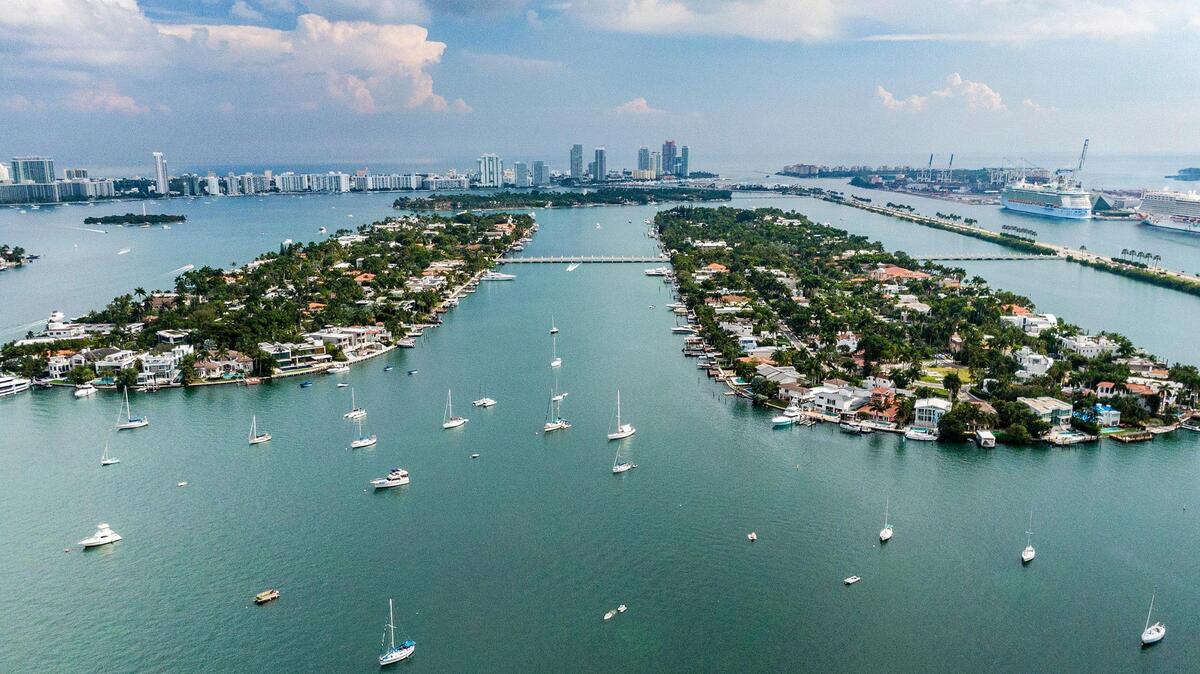
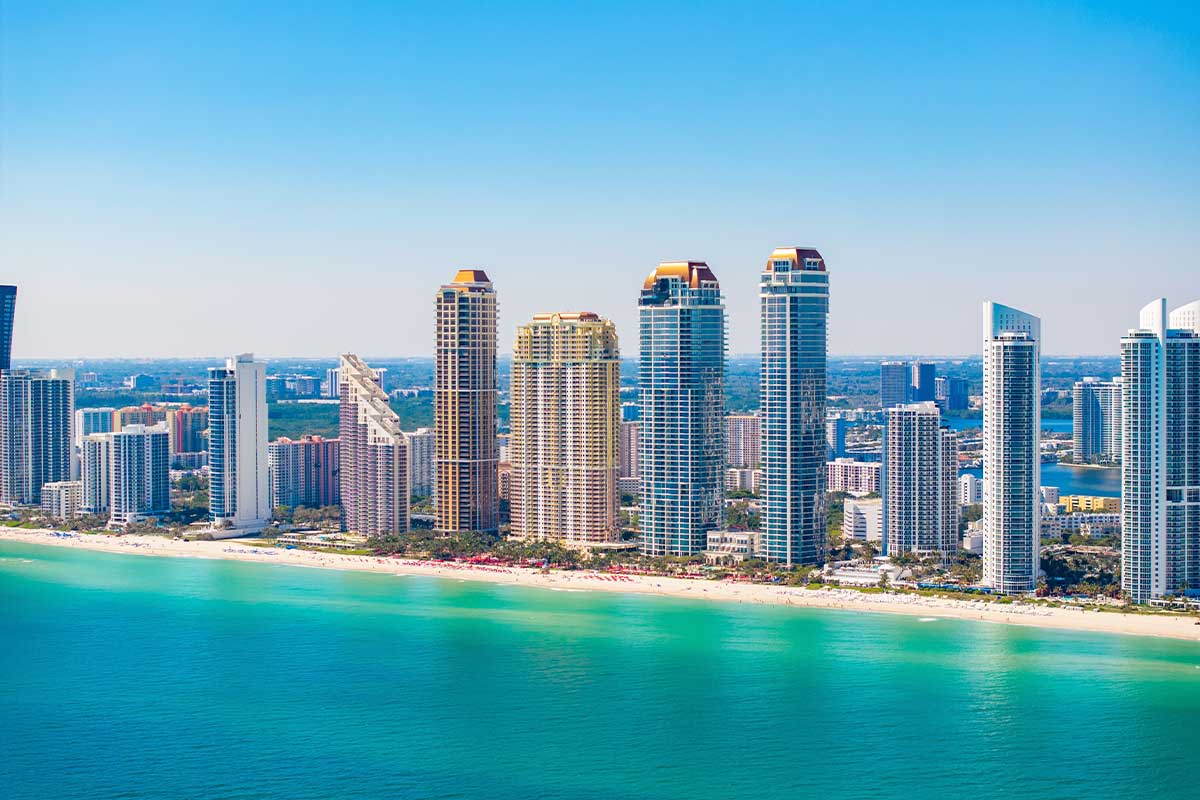
In contrast, Miami continues to position itself as one of the most tax-efficient luxury real estate markets globally.
Key advantages:
- No state income tax
- No mansion tax,at any price point
- Lower property tax rates (~1.0%)
- Lower closing costs overall (1%–3.5%)
The result? On luxury acquisitions, investors can save $50,000 to $150,000+ upfront, with significantly lower recurring costs.
But beyond savings, Miami offers something even more valuable: predictability. The tax structure is simpler, more transparent, and far more investor-friendly.
The Investor Shift: From Legacy to Lifestyle Markets
What we are witnessing is not just a tax comparison, it’s a capital migration.
Sophisticated investors are increasingly asking:
- Why absorb high tax friction in New York?
- Why navigate policy uncertainty in Los Angeles?
- When Miami offers liquidity, lifestyle, and efficiency?
The answer is clear in the data,and even clearer in market behavior.
Ledger Insight: Tax Efficiency Is the New Luxury
At Ledger Homes by eXp, we advise clients beyond aesthetics and location. We look at net performance,what you truly earn, preserve, and pass on.
In 2026, luxury is no longer just about waterfront views or branded residences. It’s about strategic positioning.
And today, that strategy increasingly points to one destination: Miami.
Explore tax-efficient luxury investments with Ledger Homes by eXp. Because in today’s market, where you buy matters just as much as what you buy.